Does Car Insurance Cover Hitting a Deer in Tennessee?
Learn how comprehensive insurance generally handles deer collisions in Tennessee, what your deductible means, and what to do after hitting an animal.
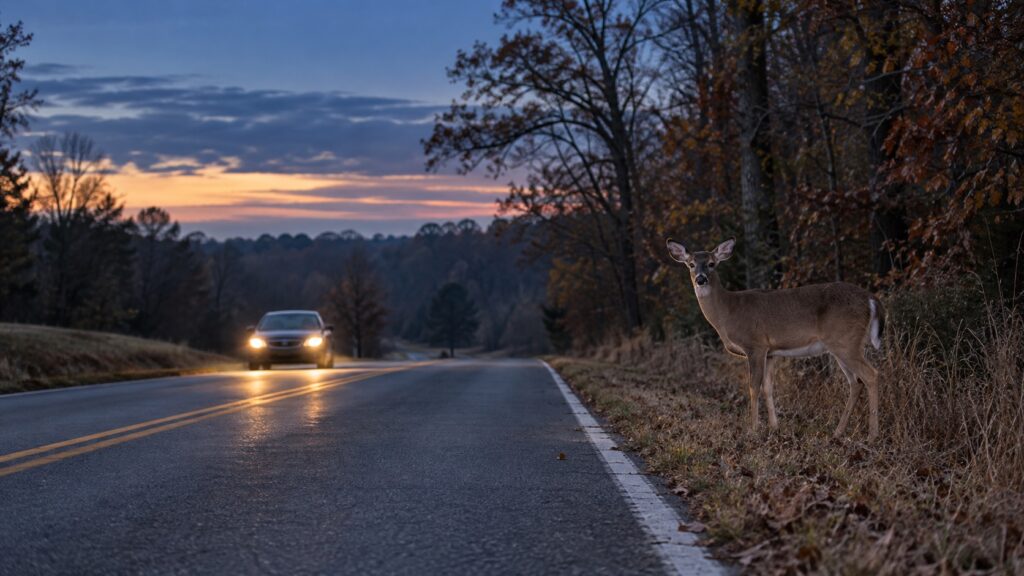
Deer collisions are a real concern for Tennessee drivers, especially during the fall. November has historically been the state’s peak month for deer-related crashes, and Madison County was among the West Tennessee counties with the most reported deer crashes in 2024. Understanding your coverage before an animal appears in the road can prevent confusion after the fact.
Does car insurance cover hitting a deer?
Damage from striking a deer or another animal is generally handled under comprehensive coverage, sometimes called “other than collision” coverage. Comprehensive is optional unless a lender or leasing company requires it. The claim is normally subject to the comprehensive deductible shown on the policy.
Liability coverage pays for injuries or damage you cause to other people; it does not repair your own vehicle after a deer strike. Collision coverage is designed for impacts with another vehicle or object. If a driver swerves to miss a deer and hits a guardrail, tree, or another vehicle, the damage may instead be handled as a collision claim. The facts and policy language determine how a specific loss is classified.
How common are deer crashes in Tennessee?
The Tennessee Department of Safety and Homeland Security reported 8,036 deer-related crashes in 2024. Those included 465 injury crashes and five fatal crashes. The department identified Shelby, Madison, and Henderson among the leading West Tennessee counties for deer-involved crashes.
Those numbers are a good reminder that this is not only a rural East Tennessee issue. Drivers around Jackson and throughout West Tennessee should be especially attentive on darker roads, near wooded areas, and around dawn and dusk.
What should I do if a deer enters the road?
- Slow down and brake firmly while maintaining control of the vehicle.
- Stay in your lane when possible. Swerving can lead to a more serious crash with oncoming traffic, a tree, or another object.
- Remember that deer often travel together. If one crosses, another may follow.
- Use high beams when appropriate and when they will not interfere with another driver.
- Pay particular attention at dawn and dusk and around posted deer-crossing areas.
What should I do after hitting a deer?
- Move to safety if possible. Pull off the road, turn on the hazard lights, and stay aware of traffic.
- Call for help. Contact law enforcement when there are injuries, the vehicle cannot be moved, or the animal or debris is creating a roadway hazard.
- Do not approach the animal. An injured deer can be frightened and dangerous.
- Document the scene. From a safe location, photograph the vehicle damage, roadway, surroundings, and any relevant signs.
- Check the vehicle carefully. Look for leaking fluids, damaged lights, loose body panels, tire damage, or anything rubbing against a wheel. When in doubt, use a tow truck.
- Report the loss. Contact your insurer or agent and provide the facts, photographs, police information, and towing or repair receipts.
How does the comprehensive deductible work?
If the repair is covered, you generally pay the comprehensive deductible and the insurer pays the remaining covered amount, up to the applicable limits and vehicle value. For example, with a $500 comprehensive deductible and $3,000 of covered damage, the policy may pay $2,500. This simplified example assumes the repair amount is accepted and no other policy provision changes the payment.
Rental-car reimbursement is normally a separate optional coverage. Having comprehensive coverage does not automatically mean a rental vehicle is included, so check the policy before a loss occurs.
Frequently asked questions about deer claims
Will a deer claim make my rate go up?
There is no universal answer. A company’s rating rules, the driver’s claim history, the state, the amount paid, and other factors can all matter. Your agent can explain how the company handles comprehensive claims, but no one should promise a future rate.
Should I file a claim for minor damage?
Compare a reasonable repair estimate with your deductible, but also consider hidden damage to sensors, cooling components, lights, and safety systems. Reporting requirements and deadlines vary, so contact the insurer promptly if you may seek coverage.
Can I keep comprehensive coverage without collision?
Some insurers allow comprehensive coverage without collision, which can be worth discussing for an older vehicle that is still exposed to deer, hail, theft, fire, glass damage, or falling limbs. Availability and requirements vary by company.
Review the coverage before deer season
Look at the declarations page and find the vehicle’s comprehensive coverage and deductible. If comprehensive is absent—or the deductible is higher than expected—ask for options before the fall peak. Coverage cannot be added after a collision to pay for damage that has already occurred.
Sources: Tennessee Department of Safety and Homeland Security deer-crash guidance and Tennessee Department of Commerce and Insurance animal-collision guidance.
This article provides general educational information. Coverage depends on the policy language, facts of the loss, deductibles, exclusions, and the insurer’s claim determination.